October 26th, 2026
How Tank Construction Adds Safety & Durability to a Service Transformers?
A service transformers plays a vital role in electrical distribution by converting voltage levels to meet the requirements of commercial, industrial, and residential applications. While the core and windings are essential for its operation, the transformer tank is equally important for ensuring safety, reliability, and long-term performance.
A well-designed tank protects internal components, supports heat dissipation, prevents oil leakage, and safeguards the transformer against environmental damage.
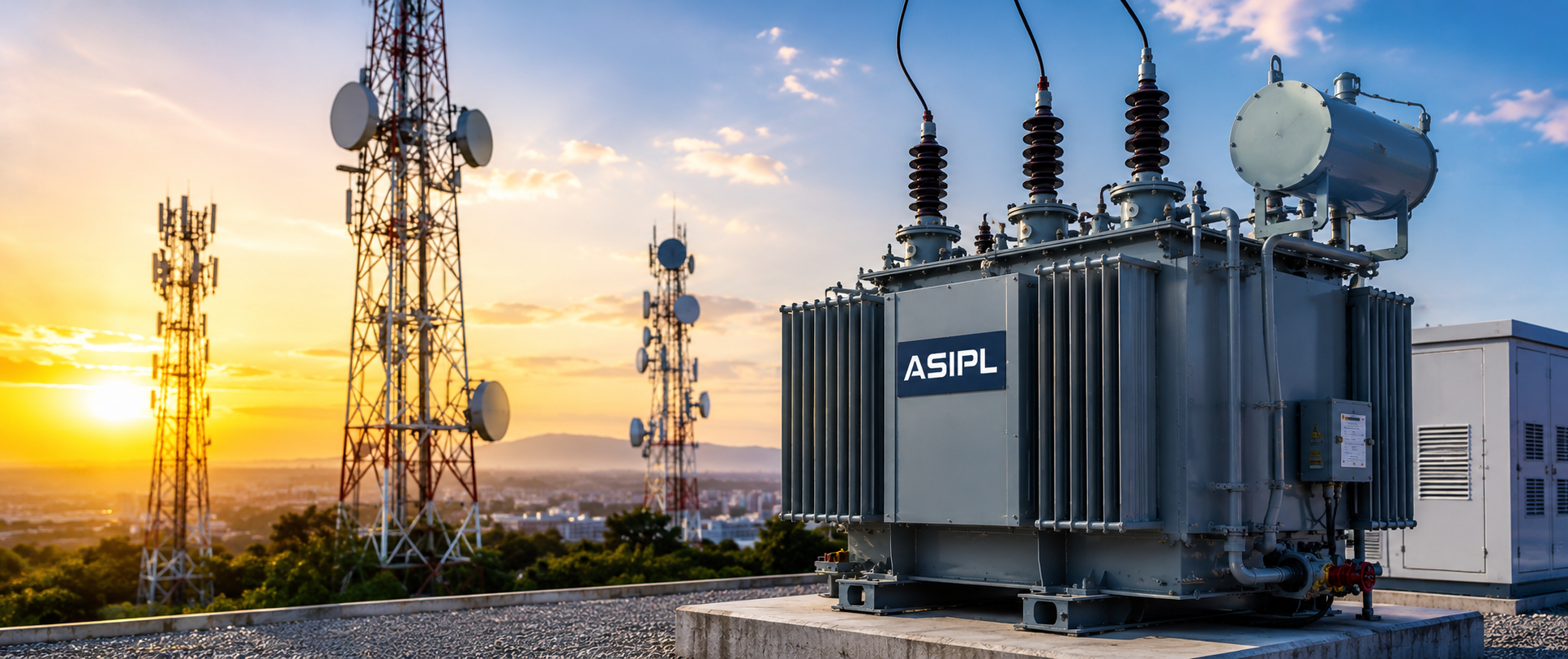
For businesses investing in reliable electrical infrastructure, understanding tank construction is essential. Reputable Service transformers manufacturers in India focus on robust tank design and high-quality materials to ensure that Service Transformers operate efficiently under different environmental and operating conditions.
1. Protecting Internal Components from External Damage
The transformer tank acts as a protective enclosure for sensitive internal components, including the core, windings, and insulating oil. These components must remain protected from dust, moisture, physical impact, and other external contaminants that could affect performance.
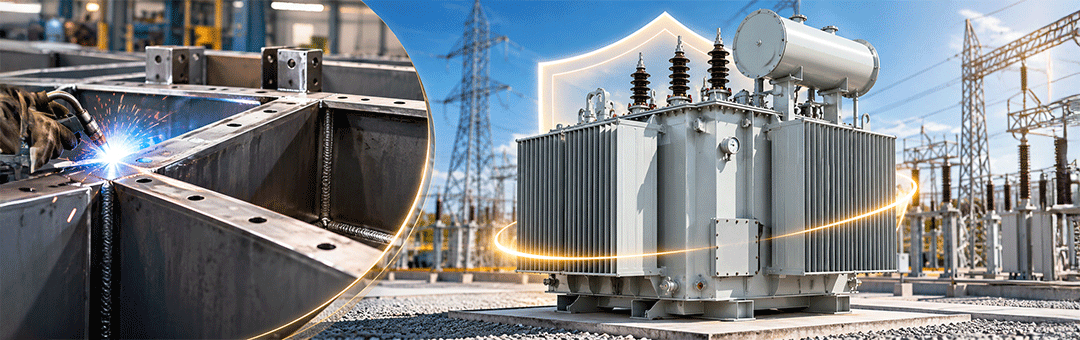
A strong tank, manufactured using suitable grades of steel, provides the structural strength required to withstand everyday operating conditions. Proper fabrication, welding, and finishing further improve the tank’s resistance to physical damage and environmental exposure.
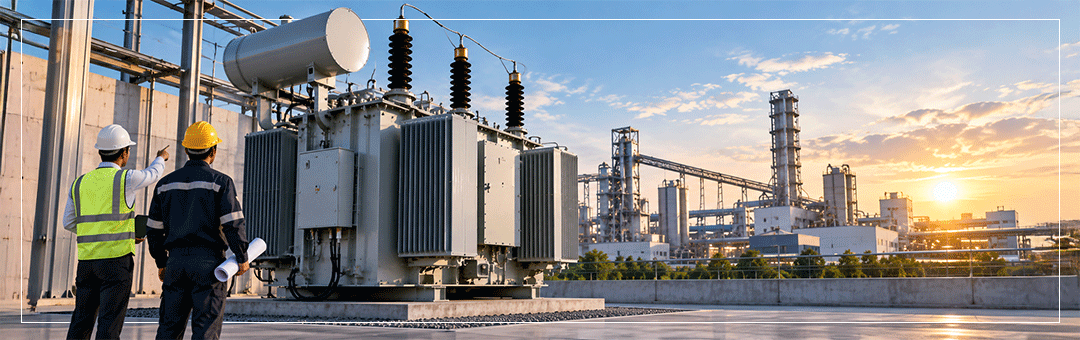
For transformers installed in industrial facilities, commercial buildings, and outdoor substations, this protection is particularly important. A durable enclosure helps reduce the risk of component damage, unexpected failures, and costly maintenance.
2. Improving Heat Dissipation and Cooling Efficiency
During operation, a transformer generates heat due to electrical losses in its core and windings. If this heat is not managed effectively, it can accelerate insulation ageing and affect the transformer’s service life.
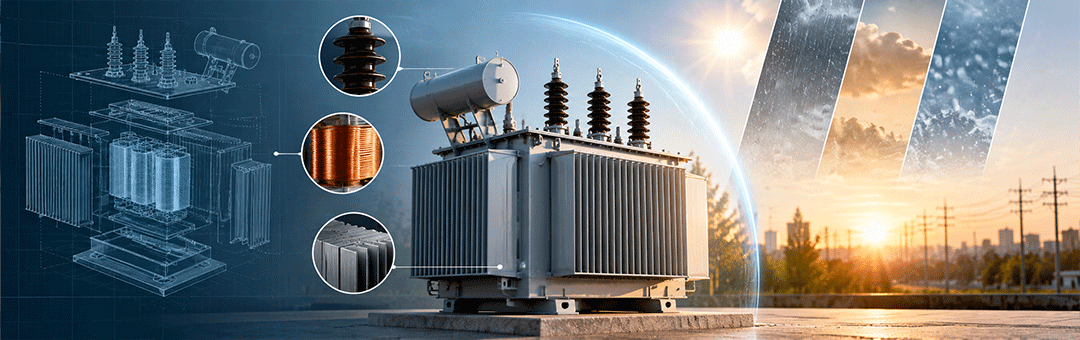
The tank design contributes significantly to the cooling process. Depending on the transformer’s rating and cooling requirements, manufacturers may use cooling tubes, corrugated tank walls, radiators, or other suitable arrangements to increase the surface area available for heat transfer.
In oil-immersed transformers, the insulating oil absorbs heat from the internal components and transfers it to the tank’s cooling surfaces. The heat is then released into the surrounding air.
An appropriately designed tank supports efficient heat dissipation and helps maintain operating temperatures within specified limits. This is particularly important for Service Transformers used in applications where electrical loads fluctuate throughout the day.
3. Preventing Oil Leakage and Moisture Ingress
In oil-immersed transformers, insulating oil performs two critical functions: electrical insulation and heat transfer. Maintaining the correct oil level and preventing contamination are essential for reliable operation.
Poor welding, defective joints, damaged gaskets, or inadequate sealing can cause oil leakage. Leakage may reduce cooling effectiveness and compromise insulation performance. Similarly, moisture entering the tank can deteriorate the insulating properties of the oil and other insulating materials.
To minimise these risks, manufacturers focus on accurate fabrication, high-quality welds, reliable sealing arrangements, and appropriate leak testing. Tank covers, inspection openings, bushings, and other connection points must also be designed and assembled carefully.
These measures help preserve oil quality, maintain insulation performance, and reduce the likelihood of premature transformer failure.
4. Enhancing Resistance to Corrosion and Harsh Weather
Service transformers may operate in environments exposed to rain, humidity, dust, pollution, and temperature variations. In coastal and industrial areas, corrosive conditions can create additional challenges for exposed metal surfaces.
Corrosion can gradually weaken the tank, damage protective coatings, and increase the risk of leakage. Therefore, surface preparation and protective finishing are important aspects of tank construction.
Depending on the installation environment, manufacturers may use suitable primers, corrosion-resistant coatings, and durable paint systems to protect the tank against environmental damage.
Proper drainage, appropriate design details, and regular inspection further help prevent water accumulation and coating deterioration.
Leading Service transformers manufacturers in India consider local environmental conditions when selecting suitable materials and protective finishes. These measures help extend tank life and reduce maintenance requirements over time.
5. Maintaining Structural Strength and Operational Safety
A transformer tank must withstand the mechanical stresses associated with transportation, installation, and normal operation. It must also accommodate the weight of internal components and insulating oil without excessive deformation.
Correct steel thickness, reinforcement, dimensional accuracy, and welding quality all contribute to structural integrity. The design must also account for applicable pressure and vacuum conditions, where relevant to the transformer’s construction and operating requirements.
In oil-filled transformers, abnormal internal faults can generate gas and rapidly increase pressure. Appropriate pressure-relief arrangements and other protective devices help manage such events. These safety provisions must be selected and designed according to the transformer’s specifications and applicable standards.
A structurally sound tank, combined with suitable protective devices, contributes to safer operation and helps limit the consequences of certain abnormal conditions.
6. Reducing Maintenance and Extending Service Life
Tank construction directly influences the maintenance needs of a service transformer. Poor-quality fabrication or inadequate corrosion protection can lead to recurring issues, including leakage, rust formation, damaged seals, and premature deterioration.
In contrast, a properly engineered tank can reduce the frequency of repairs and help maintain consistent operating performance.
Routine inspections remain important, even for well-manufactured transformers. Maintenance teams should check for oil leaks, corrosion, damaged paint, loose fittings, and signs of deformation. Oil condition and protective devices should also be assessed according to the manufacturer’s maintenance recommendations.
By combining sound tank design with preventive maintenance, organisations can improve equipment availability, control lifecycle costs, and support long-term electrical reliability.
7. Choosing the Right Service Transformer Manufacturer
Selecting the right manufacturer is essential when investing in a transformer for commercial or industrial use. Buyers should evaluate more than the initial purchase price and consider the quality of tank fabrication, material selection, sealing arrangements, cooling design, and corrosion protection.
It is also important to assess compliance with applicable standards, quality-control procedures, testing capabilities, and after-sales support.
Reliable manufacturers design transformer tanks according to the transformer’s rating, cooling method, installation environment, and specified operating conditions. This application-specific approach helps ensure that the tank provides the required level of protection and performance.
Before making a purchase, businesses should review the manufacturer’s technical specifications and confirm that the proposed transformer meets their electrical and installation requirements.
Conclusion
Tank construction is a fundamental factor in determining the safety, durability, and reliability of a service transformer. From protecting internal components and supporting heat dissipation to preventing oil leakage and resisting corrosion, every aspect of tank design contributes to dependable operation.
For businesses seeking long-lasting electrical equipment, choosing a transformer with robust construction and appropriate protective features is a practical investment. By working with experienced Service transformers manufacturers in India, organisations can select equipment designed for their operating conditions, helping reduce maintenance risks and support reliable power distribution for years to come.