July 25th, 2026
Service Transformer: Overcoming the Challenges of Rural Electrification in India
Access to reliable electricity is fundamental to economic development, education, healthcare, agriculture, and digital connectivity. While India has made remarkable progress in expanding its power network, delivering uninterrupted electricity to remote regions continues to present several technical and infrastructural challenges. The role of a Service Transformer in India is crucial in addressing these challenges, ensuring safe, stable, and efficient electricity reaches end users across rural communities.
As India’s power infrastructure continues to evolve, service transformers remain one of the most critical components in building a dependable electrical distribution network that supports long term rural development.
Understanding the Challenges of Rural Electrification
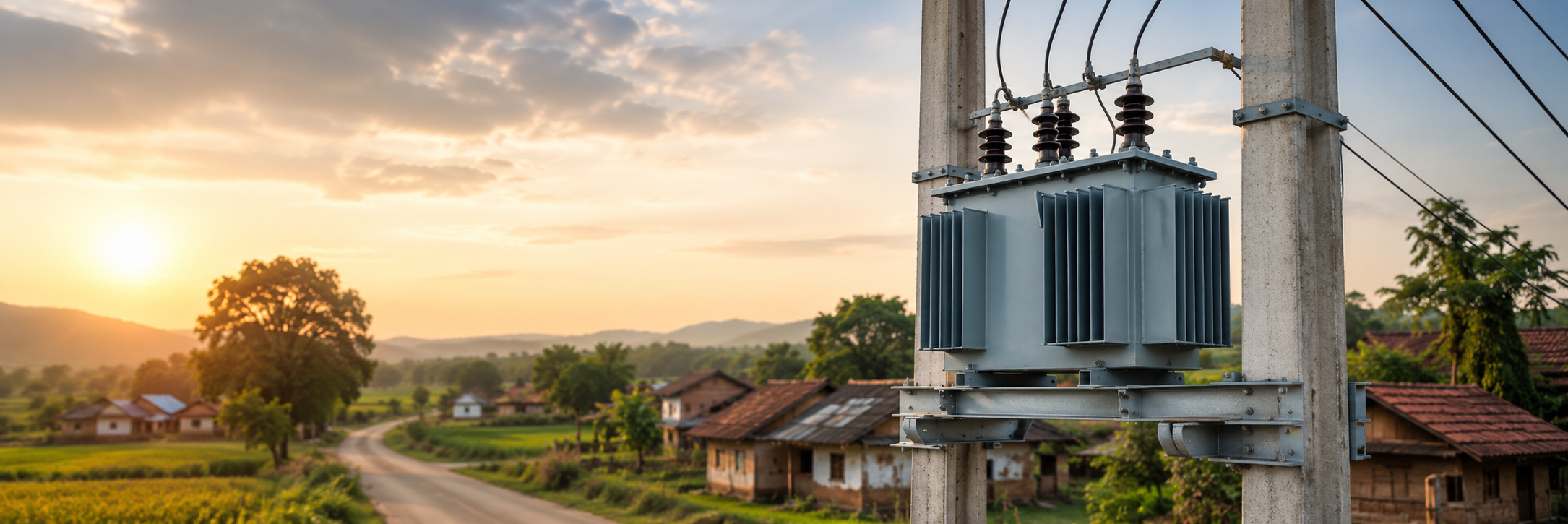
Providing electricity to rural communities is significantly different from supplying power to urban areas. Villages are often spread across large geographical regions, making power distribution more complex and infrastructure intensive.
Factors such as long transmission distances, fluctuating demand, environmental conditions, and difficult terrain require carefully engineered solutions that can deliver reliable performance under varying operating conditions.
Strengthening Rural Electrification in India requires dependable equipment capable of supporting expanding electrical networks without compromising safety or efficiency.
Maintaining Stable Voltage Across Remote Locations
One of the biggest concerns in rural power delivery is maintaining consistent voltage over extended distribution lines.
Voltage fluctuations can affect agricultural equipment, household appliances, schools, healthcare facilities, and small industries. Service transformers help regulate voltage before electricity reaches consumers, ensuring a stable and reliable power supply despite changing load conditions.
Their ability to manage local distribution makes them an essential part of every Electrical Distribution System.
Supporting Reliable Power Distribution
Electricity demand in rural regions has grown steadily with the expansion of irrigation systems, small manufacturing units, educational institutions, and digital services.
Service transformers distribute electricity efficiently to multiple consumers while maintaining balanced power delivery throughout the network.
A well designed transformer contributes significantly to Power Distribution, reducing losses and improving the overall efficiency of rural electrical infrastructure.
Built to Perform in Challenging Environments
Rural installations frequently operate in demanding environments where transformers are exposed to heat, heavy rainfall, humidity, dust, and seasonal weather variations.
These operating conditions require equipment engineered for durability and dependable performance.
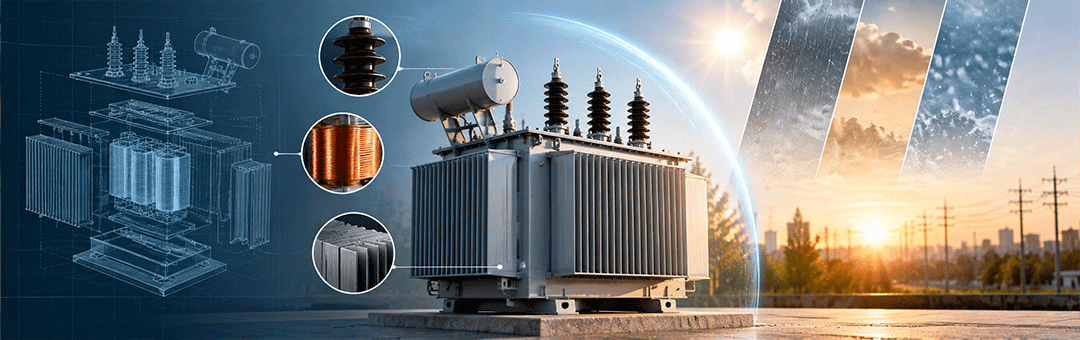
Modern service transformers incorporate robust construction, high quality insulation systems, efficient cooling arrangements, and corrosion resistant designs that support long service life while minimizing operational disruptions.
This reliability strengthens Rural Power Infrastructure and helps utilities maintain uninterrupted service.
Reducing Maintenance Challenges
Many rural electrical installations are located in areas where maintenance resources and technical support may not always be readily available.
Service transformers are designed to operate reliably for extended periods while requiring minimal routine intervention. Durable components, efficient thermal management, and high manufacturing standards reduce the likelihood of unexpected failures and improve operational continuity.
Lower maintenance requirements also contribute to reduced lifecycle costs for utilities and infrastructure developers.
Supporting Agricultural and Community Development
Electricity is an important driver of rural growth.
Reliable power enables irrigation systems, cold storage facilities, schools, healthcare centers, community services, and local businesses to operate efficiently.
Service transformers ensure these essential services receive consistent electricity while supporting increasing demand as rural economies continue to expand.
They also contribute to improved living standards by enabling better access to modern infrastructure and digital connectivity.
Improving Network Efficiency
An efficient transformer not only delivers electricity but also minimizes technical losses across the distribution network.
Advanced core designs, optimized winding configurations, and effective insulation systems help reduce energy losses during operation while maintaining high efficiency.
These improvements contribute to Reliable Power Supply, allowing utilities to deliver electricity more effectively while improving overall network performance.
Choosing the Right Manufacturing Partner
The long term performance of any service transformer depends on engineering quality, manufacturing precision, and rigorous testing.
Working with a trusted Transformer Manufacturer in India ensures that transformers meet industry standards, deliver dependable performance, and support the evolving needs of modern distribution networks.
Quality manufacturing practices, comprehensive testing procedures, and continuous innovation all contribute to greater operational reliability throughout the transformer’s service life.
Preparing Rural Networks for Future Growth
India’s villages are rapidly adopting smart agriculture, digital education, rural healthcare technologies, and improved industrial infrastructure.
As electricity demand continues to increase, service transformers will remain central to expanding and strengthening local distribution systems.
Modern Energy Distribution Solutions are designed to support growing electrical loads while maintaining efficiency, safety, and long term reliability, helping create resilient rural power networks for the future.
Conclusion
Reliable rural electrification requires more than extending transmission lines. It depends on a strong distribution network supported by high quality service transformers capable of delivering stable, efficient, and uninterrupted electricity.
At ASIPL, every Service Transformer in India is engineered with precision, durability, and performance in mind. By supporting dependable rural power infrastructure, ASIPL continues to contribute to stronger communities, sustainable development, and India’s journey toward a more connected future.
Frequently Asked Questions:
What is a service transformer?
A service transformer reduces distribution voltage to levels suitable for residential, commercial, agricultural, and small industrial consumers while ensuring safe and reliable electricity delivery.
Why are service transformers important in rural electrification?
They regulate voltage, improve power quality, reduce distribution losses, and help deliver reliable electricity to remote communities where power infrastructure is often spread across large geographical areas.
How do service transformers improve rural power networks?
They support efficient local power distribution, maintain stable voltage, reduce operational losses, and enhance the reliability of electricity supplied to homes, farms, schools, healthcare centers, and businesses.
What factors should be considered when selecting a service transformer?
Key considerations include capacity, efficiency, insulation quality, cooling performance, environmental suitability, compliance with industry standards, and the expertise of the transformer manufacturer.
You have not enough Humanizer words left. Upgrade your Surfer plan.