Understanding the Role of Control Panels in Automated Systems
Date: May 28th, 2026
Control panels are often referred to as the “brain” of automated systems, and for good reason. In modern industries where efficiency, precision, and safety are essential, control panels play a central role in managing operations. From manufacturing plants and power stations to HVAC systems and water treatment facilities, these panels ensure that automated processes run smoothly and reliably.
As industries continue to adopt smart technologies and automation, the importance of well-designed control panels has grown significantly. They are not just electrical enclosures filled with switches and wires; they are sophisticated systems that coordinate machines, monitor performance, and protect equipment from operational failures.
What Are Control Panels?
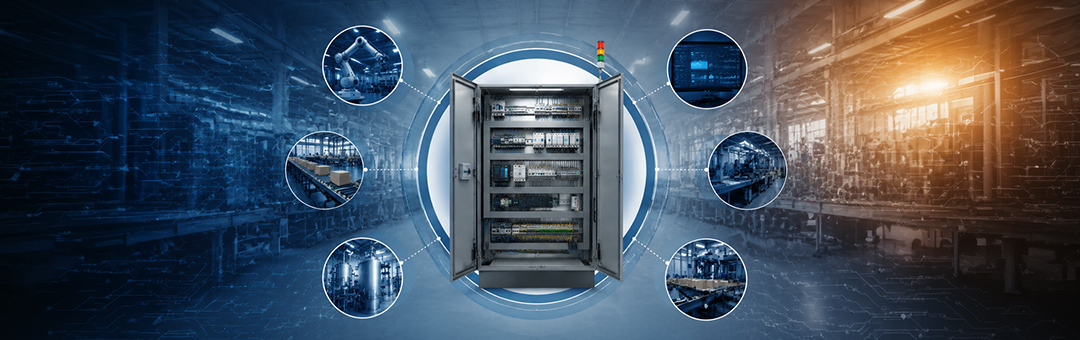
A control panel is an assembly of electrical devices used to control and monitor mechanical processes. It typically contains components such as circuit breakers, relays, PLCs (Programmable Logic Controllers), HMIs (Human Machine Interfaces), motor starters, and power supplies. Together, these components regulate machinery and automate industrial tasks.
Control panels act as a communication hub between operators and machines. They receive signals from sensors, process data, and execute commands that keep systems functioning efficiently. Without them, automation would be impossible to manage effectively.
Centralized Control for Complex Operations
One of the primary reasons control panels are considered the backbone of automated systems is their ability to centralize operations. Industrial environments often involve multiple machines working together simultaneously. Managing these systems manually would be time-consuming and highly prone to errors.
Control panels provide a single platform to monitor and control all connected equipment. Operators can start or stop machines, adjust settings, track performance, and respond to system alerts from one location. This centralized approach increases operational efficiency and reduces downtime.
For example, in a manufacturing plant, a control panel can coordinate conveyor belts, robotic arms, motors, and packaging systems to ensure synchronized production. Even a minor interruption can impact productivity, which is why reliable control systems are critical.
Enhancing Safety and Equipment Protection
Safety is one of the most important aspects of industrial automation, and control panels play a major role in ensuring secure operations. Automated systems involve high voltages, heavy machinery, and continuous processes that can become dangerous if not managed properly.
Control panels include protective devices such as circuit breakers, overload relays, and emergency stop systems. These components detect abnormal conditions like short circuits, overloads, or voltage fluctuations and immediately shut down the affected systems to prevent damage.
This protection not only safeguards machinery but also reduces risks for workers. In industries where equipment operates around the clock, even a small electrical fault can lead to major production losses or safety hazards. A properly designed control panel minimizes these risks and ensures smooth functioning.
Improving Efficiency Through Automation
Automation is all about improving efficiency, consistency, and productivity. Control panels make this possible by reducing the need for manual intervention. They automate repetitive tasks, monitor performance in real time, and ensure accurate process control.
For instance, in HVAC systems, control panels regulate temperature, airflow, and energy consumption automatically based on environmental conditions. In water treatment plants, they manage pumps, filtration systems, and chemical dosing processes with precision.
By automating these tasks, industries can achieve faster production cycles, reduced human errors, and lower operational costs. Real-time monitoring also helps operators identify issues before they become serious problems, improving overall system reliability.
Integration with Smart Technologies
Modern control panels are evolving alongside Industry 4.0 and smart manufacturing technologies. Today’s automated systems require advanced connectivity, remote monitoring, and data-driven decision-making.
Control panels now integrate with IoT (Internet of Things) devices, SCADA systems, and cloud-based monitoring platforms. This allows operators to access real-time system data from remote locations, improving maintenance planning and operational control.
For example, predictive maintenance systems can analyze equipment performance and identify potential failures before they occur. This reduces unexpected downtime and extends equipment lifespan. Smart control panels also support energy optimization by monitoring power usage and identifying areas of inefficiency.
Flexibility and Scalability
Another major advantage of control panels is their flexibility. Industrial operations often expand or change over time, and control systems must adapt accordingly. Modern control panels are designed to be scalable, allowing businesses to add new machines or upgrade existing systems without completely redesigning the infrastructure.
Programmable Logic Controllers (PLCs) make this adaptability possible. Since PLCs can be reprogrammed easily, industries can modify automation processes based on changing production needs. This flexibility is especially valuable in sectors where customization and evolving technology are common.
Reducing Downtime and Maintenance Costs
Unexpected equipment failures can significantly impact productivity and profitability. Control panels help minimize downtime by providing continuous monitoring and diagnostic capabilities.
Advanced panels can display fault alerts, system warnings, and performance reports, helping maintenance teams quickly identify and resolve issues. This proactive approach reduces repair costs and prevents complete system breakdowns.
Additionally, organized wiring and properly labeled components inside control panels simplify troubleshooting and maintenance tasks. Technicians can access information more efficiently, reducing repair time and improving operational continuity.
The Future of Automated Systems
As industries continue moving toward digital transformation, the role of control panels will become even more significant. Smart factories, renewable energy systems, electric vehicle infrastructure, and advanced manufacturing processes all rely heavily on efficient automation systems.
Future control panels are expected to become more intelligent, energy-efficient, and connected. Features like AI-driven monitoring, remote diagnostics, and enhanced cybersecurity will shape the next generation of industrial automation.
Businesses that invest in high-quality control panels will be better equipped to handle evolving industrial demands while maintaining safety, efficiency, and productivity.
Conclusion
Control panels are truly the backbone of automated systems because they combine control, monitoring, safety, and communication into a single integrated solution. They enable industries to operate complex machinery efficiently while ensuring reliability and protection.
From improving productivity and reducing downtime to supporting smart technologies and future-ready automation, control panels remain an essential part of modern industrial infrastructure. As automation continues to advance, their importance will only continue to grow, making them a critical investment for industries seeking long-term operational success.