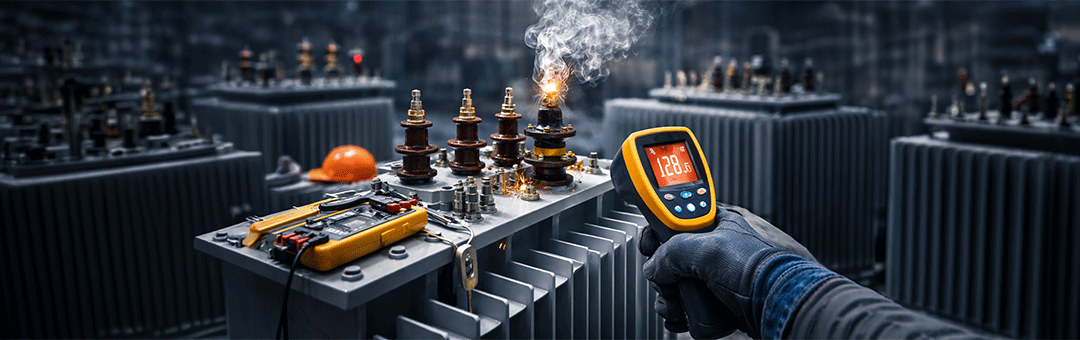
8 Common Transformer Failures and How to Prevent Them?
Date: April 20th, 2026
Transformers play a critical role in ensuring smooth and efficient power distribution across residential, commercial, and industrial sectors. From large substations to local networks powered by distribution transformers and pole-mount transformers, these systems are essential for maintaining a stable electricity supply.
However, like any electrical equipment, transformers are susceptible to failures that can lead to downtime, safety risks, and financial losses.
Understanding the most common transformer failures—and how to prevent them—can help extend equipment life, improve performance, and reduce unexpected breakdowns.
Why Transformer Reliability Matters
Reliable transformers are the backbone of any power distribution network. Failures not only disrupt electricity supply but can also lead to operational delays, safety hazards, and increased maintenance costs.
In rapidly expanding infrastructure systems, especially those dependent on distribution transformers and pole-mount transformers, ensuring consistent performance is crucial.
A well-maintained transformer enhances efficiency, reduces energy losses, and supports long-term sustainability of power systems.
-
Insulation Breakdown
Insulation is one of the most vital components in a transformer. Over time, exposure to heat, moisture, and electrical stress can degrade insulation, leading to internal faults or short circuits.
Prevention:
Regular insulation resistance testing and oil analysis can help detect early signs of deterioration. Keeping moisture levels under control and ensuring proper ventilation can significantly extend insulation life.
-
Overloading
Transformers are designed to operate within specific load limits. Exceeding these limits leads to excessive heat generation, which accelerates wear and can damage windings and insulation.
Prevention:
Load monitoring systems should be installed to ensure transformers operate within safe limits. Proper planning and load distribution are especially important in networks using distribution transformers and pole-mount transformers, where demand fluctuations are common.
-
Oil Contamination and Leakage
Transformer oil acts as both a coolant and an insulator. Contamination due to moisture, dust, or oxidation reduces its effectiveness, while leakage lowers oil levels and exposes internal components.
Prevention:
Routine oil testing and filtration help maintain oil quality. Inspect seals, gaskets, and tanks regularly to identify and fix leaks promptly. Maintaining proper oil levels ensures efficient cooling and insulation.
-
Winding Failures
Windings are subjected to mechanical stress during short circuits and electrical stress during operation. Over time, this can lead to deformation, loosening, or insulation damage.
Prevention:
Use high-quality materials and robust design standards. Periodic testing, such as winding resistance and frequency response analysis, can detect early signs of damage.
-
Cooling System Malfunction
Transformers rely on cooling systems—such as oil circulation, radiators, and fans—to regulate temperature. Failure of these systems can result in overheating and eventual breakdown.
Prevention:
Regularly inspect and maintain cooling components. Clean radiators, ensure proper airflow, and check fan operations to maintain optimal temperature levels.
-
Electrical Surges and Faults
Lightning strikes, switching surges, and grid disturbances can cause sudden voltage spikes, damaging transformer components.
Prevention:
Install surge arresters and ensure proper grounding systems. Protective relays and circuit breakers can also help isolate faults and prevent damage.
-
Core Issues
The transformer core can develop faults due to overheating, insulation failure, or manufacturing defects. Core problems often lead to increased losses and reduced efficiency.
Prevention:
Routine inspections and thermal imaging can help identify hotspots or irregularities in the core. Early detection prevents further damage and costly repairs.
-
Poor Maintenance Practices
Neglecting regular maintenance is one of the leading causes of transformer failure. Minor issues, if left unattended, can escalate into major breakdowns.
Prevention:
Implement a comprehensive maintenance schedule that includes visual inspections, electrical testing, oil analysis, and performance monitoring. Proper documentation and timely servicing are essential.
The Role of Reliable Transformer Systems
With increasing urbanization and industrial growth, the demand for reliable power infrastructure is rising. Distribution transformers and pole-mount transformers are particularly important in delivering electricity to end users efficiently. Ensuring their proper functioning through preventive measures is key to maintaining uninterrupted power supply.
Benefits of Preventive Maintenance
- Reduced downtime: Early detection of issues prevents unexpected failures.
- Extended lifespan: Regular care increases the operational life of transformers.
- Improved efficiency: Well-maintained transformers perform optimally.
- Cost savings: Avoiding major breakdowns reduces repair and replacement costs.
Final Thoughts
Transformer failures can disrupt entire power networks, but most issues are preventable with proactive care and regular monitoring. By focusing on key areas such as insulation health, load management, oil quality, and cooling systems, organizations can ensure long-term reliability.
As power demand continues to grow, especially in systems dependent on distribution transformers and pole-mount transformers, adopting preventive maintenance strategies is not just beneficial—it’s essential. Investing in quality equipment, regular diagnostics, and skilled maintenance practices will ensure transformers operate efficiently and safely for years to come.